

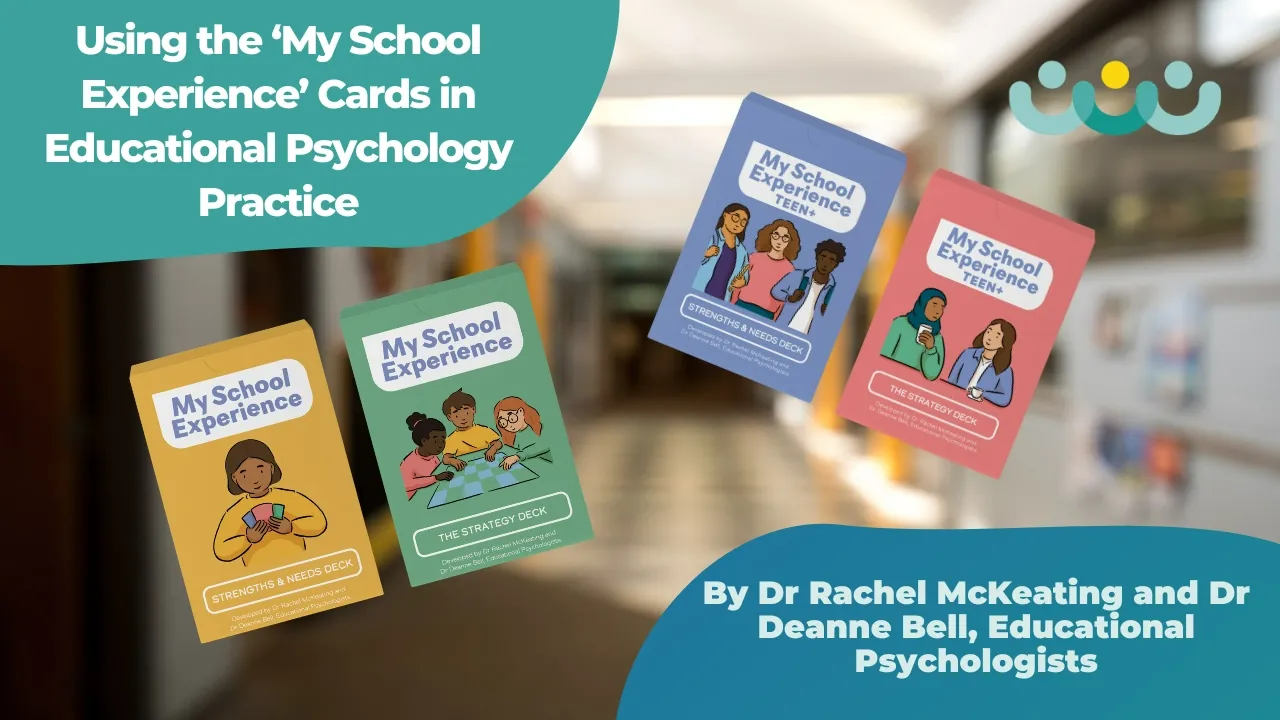
By Dr Rachel McKeating and Dr Deanne Bell, Educational Psychologists
As EPs, much of our work involves understanding children's experiences and helping them communicate their views. Whether through assessment, consultation or intervention planning, we want to understand how children experience scho...
Written by Dr Fi Coley, a Senior Educational Psychologist in a South London local authority and an Academic and Professional Tutor on the EP doctorate at the Institute of Education, who also works as The Ed Psych Coach supporting EPs with career growth and well-being.
We are givers.
As Ed Psych...
Jenny King, a third-year Trainee Educational Psychologist at Highland Council, reflects on her experiences of supervision throughout training and how these have shaped her developing practice.
…I clicked on a Teams link to join supervision and was more aware of my body language, posture, and facial...
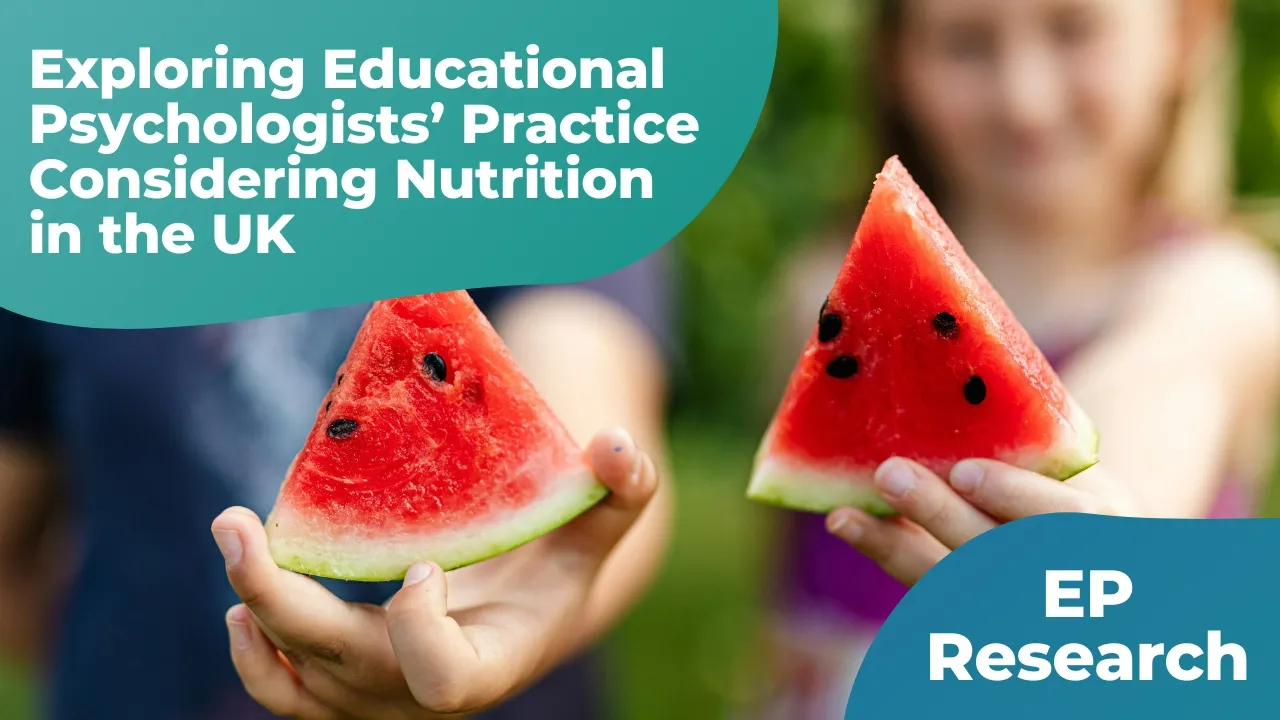
EP or TEP? Let’s Talk Nutrition!
Project focus: To explore (Trainee) Educational Psychologists’ understanding of and experience with nutrition. To explore (Trainee) Educational Psychologists’ views on incorporating nutrition in their work and future practice.
Nutrition
Maslow’s hierarchy (1943) s...

By Dr Natalie Carpenter, Hertfordshire Educational Psychology Service
RSHE for learners identified with SEND was the last topic I thought I would be passionate about and spend years of my life researching and pontificating its importance and value. However, a request for my involvement as an assist...

by Aidan Fielding (Trainee Educational Psychologist, The University of Manchester), supervised by Dr Emma Harding (Academic and Professional Tutor, The University of Manchester)
In his blog, Aidan explores the impact of COVID-19 and associated restrictions on children's play at home. Drawing from p...

